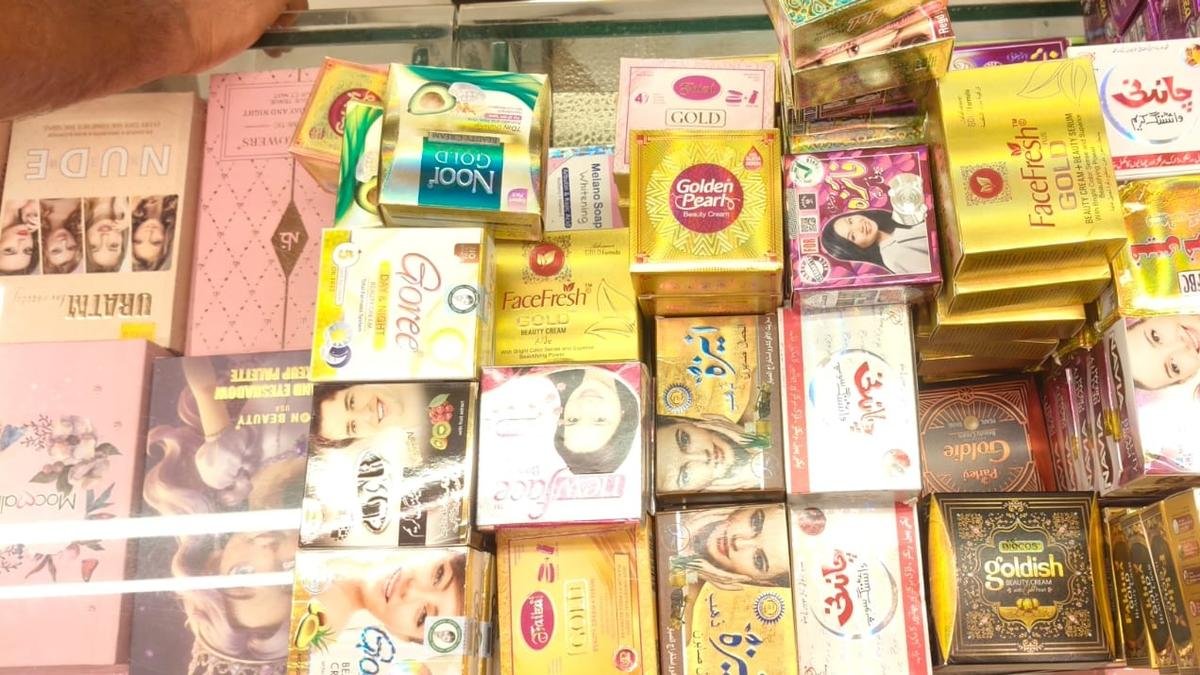
The Central Drugs Standard Control Organization (CDSCO) recently issued a notice raising concerns about certain cosmetic products containing heavy metals beyond permissible limits. These products, often imported without proper authorization, pose significant health risks to consumers due to the presence of harmful substances. The police in Hyderabad acted on this information and seized unauthorized Pakistani cosmetics worth ₹7 lakh from stores located in Nampally and Habeeb Nagar.
The CDSCO’s alert highlights the dangers posed by such cosmetics, which include potential long-term health hazards from heavy metals like lead, mercury, and cadmium. These metals, when absorbed through the skin or ingested accidentally, can cause serious conditions ranging from skin irritation and allergies to neurological disorders and organ damage.
Authorities emphasize that these unauthorized products lack proper regulatory approval and quality certification, which are mandatory to ensure consumer safety. The absence of such oversight increases the risk of exposure to harmful chemicals and heavy metals in amounts exceeding permissible limits defined by health guidelines.
The police action in Hyderabad involved coordinated raids at retail shops in Nampally and Habeeb Nagar. These areas, known for bustling commercial activity, had shops selling imported cosmetics without legal authorization. The seized products were identified as Pakistani imports that did not comply with Indian regulatory standards.
Following the seizure, police officers stated that they are working closely with the CDSCO to ensure strict enforcement against the sale of unauthorized cosmetics. They also urge consumers to purchase beauty and personal care products only from verified and licensed sellers to avoid health risks associated with counterfeit or substandard items.
The CDSCO’s notice specifically pointed out that heavy metals in cosmetics can accumulate over time, leading to chronic health effects. For example, mercury exposure can affect kidneys and the nervous system, while lead is known for its neurotoxicity, particularly in children. Cadmium exposure carries risks of kidney damage and bone fragility. These risks underline the importance of adhering to limits prescribed by regulatory authorities.
Health experts advise that consumers remain vigilant and check for appropriate labeling and certification marks on cosmetic products. The Food and Drug Administration (FDA) in India regulates these products to ensure that no harmful substances exceed established thresholds.
Retailers are reminded that the import and sale of cosmetics must comply with the Drugs and Cosmetics Act, 1940, and related rules. Unauthorized imports bypassing quality checks not only jeopardize consumer health but also violate legal frameworks governing trade and public safety.
In conclusion, the seizure of unauthorized Pakistani cosmetics in Hyderabad serves as a stern warning against the circulation of unregulated products containing hazardous heavy metals. Authorities are committed to intensifying surveillance and cracking down on illegal trade to protect public health. Consumers are urged to stay informed and exercise caution when purchasing cosmetic items, prioritizing safety and authenticity above all.