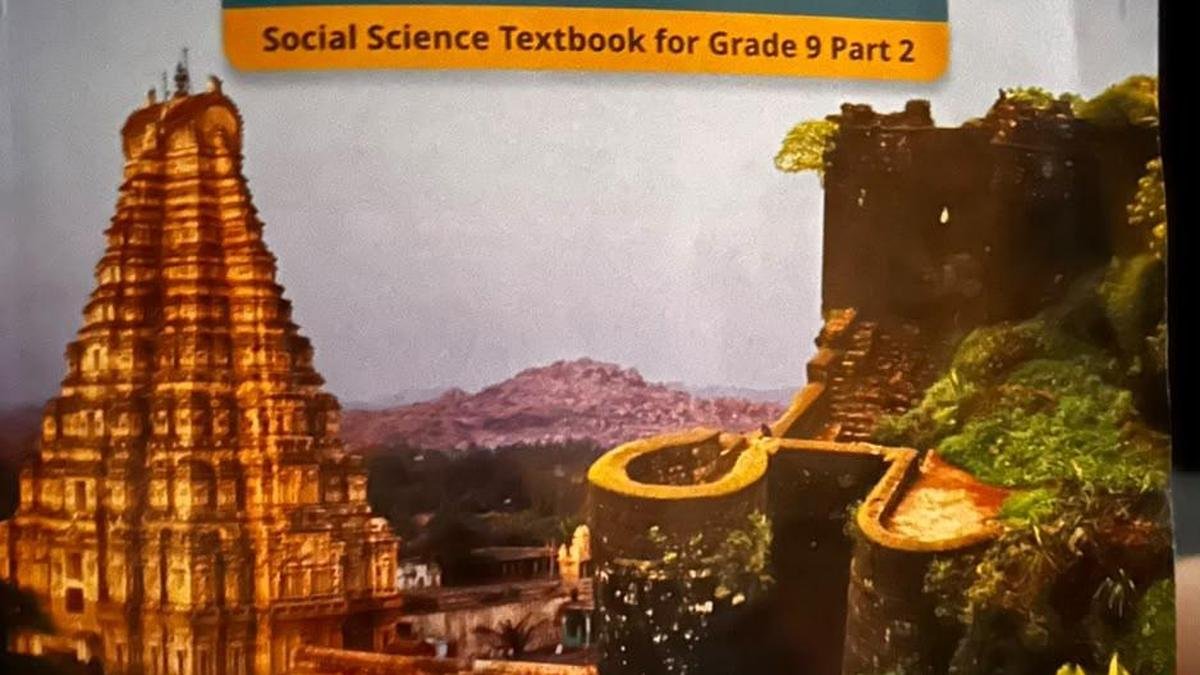
The Class 9 NCERT textbook has introduced a significant new section aimed at educating students about the new tax regime in India, a groundbreaking step towards financial literacy at an early age. This addition is part of a chapter titled “Managing Your Personal Finances,” which comprehensively covers various aspects of personal financial management including investment options and tax calculations. The goal is to provide students with practical knowledge that will empower them to make informed decisions about their finances in the future.
The new section on calculating tax liability educates students on how income tax works under the new tax regime that was introduced by the government. This regime offers simplified tax slabs with lower rates but without exemptions and deductions, making it important for students to understand the mechanics of tax payments in a straightforward manner. By learning about tax liability calculations, students gain insights into how earnings are taxed and the significance of paying taxes as part of civic responsibility.
Alongside tax liability, this chapter introduces various investment options like fixed deposits, mutual funds, and equity stocks, enriching the students’ knowledge of saving and investing their money. Fixed deposits are explained as safe investment avenues with guaranteed returns, highlighting their importance for conservative investors. Mutual funds are discussed with emphasis on diversification and professional management of funds, making them suitable for those seeking balanced risk and returns. Equity stocks are introduced as higher-risk investments, offering the possibility of higher returns by owning shares in companies, thus helping students grasp the risk-return tradeoff inherent in investments.
The integration of these topics in a single chapter reflects a holistic approach to personal finance education. Students are guided to understand how income tax impacts their finances and how investing wisely can help mitigate tax burdens while growing their wealth. Such financial literacy at the school level could lead to better money management habits and encourage a culture of savings and investment from a young age.
Importantly, the new tax regime section is designed in an easy-to-understand format with practical examples and step-by-step calculations, making it accessible for 14–15-year-olds who are the typical age group of Class 9 students. This ensures that students not only learn theoretical aspects but also apply them in real-life scenarios, enhancing comprehension and retention. For instance, sample problems may include calculating tax on hypothetical incomes and comparing tax liabilities under old and new regimes.
This textbook update aligns with broader educational reforms that aim to equip students with life skills beyond traditional academic subjects. Financial literacy is increasingly recognized globally as essential for personal and professional success. By incorporating such topics in school curricula, NCERT is enabling students to become financially aware citizens who understand the importance of budgeting, saving, investing, and fulfilling tax obligations.
As the chapter covers managing personal finances comprehensively, it also educates students on the significance of budgeting to plan expenditures and avoid debt traps. It delves into the concepts of income, expenses, saving, and investment, thereby laying the foundation for a strong financial mindset. The inclusion of diverse investment options allows students to appreciate risk diversification and long-term wealth creation strategies.
In conclusion, the Class 9 NCERT textbook’s introduction of the new tax regime and investment education represents a transformative initiative in school education. Through detailed explanations, practical examples, and an integrated approach toward personal finance, the curriculum not only prepares students academically but also equips them with crucial knowledge for financial independence and responsibility. This initiative will likely serve as a model for further integration of financial literacy into school education, preparing future generations to navigate the complexities of personal finance and taxation confidently and competently.