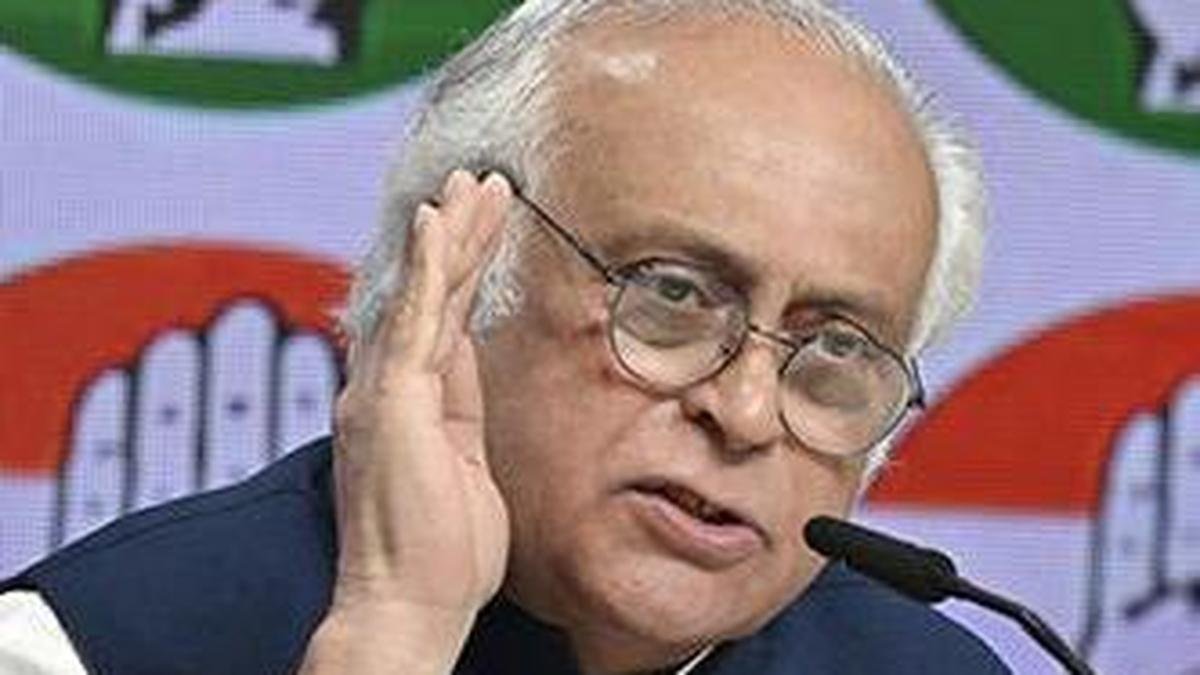
Jairam Ramesh, a senior Congress leader, recently alleged that the Election Commission of India (ECI) violated the Representation of the People Act by restricting Electoral Registration Officers’ (EROs) access to the ECINet voter roll system. This move, Ramesh argued, impairs the transparency and accuracy of voter registration and electoral rolls, which are fundamental to free and fair elections in the country.
ECINet is a crucial online portal that facilitates the management and updating of electoral rolls by various authorities, including the EROs. These officers are responsible for enrolling eligible voters within their jurisdiction, verifying applications, and ensuring that the voter lists are up-to-date and free from errors or duplications. Access to the ECINet system enables EROs to perform these functions efficiently and maintain the integrity of voter databases.
According to Jairam Ramesh, the Election Commission’s decision to limit EROs’ access to this system not only contravenes the guidelines set under the Representation of the People Act but also undermines the democratic process. The Act mandates that electoral rolls must be maintained accurately and transparently to allow for democratic participation by all eligible citizens.
Ramesh stressed that by restricting access, the Commission has created obstacles for EROs, thereby delaying the inclusion of legitimate voters and potentially disenfranchising segments of the electorate. He highlighted that such restrictions could lead to inaccuracies in voter lists, including the omission of eligible voters and the persistence of outdated or incorrect entries.
Furthermore, Jairam Ramesh raised concerns about the overall impact of this limitation on election integrity. He emphasized that transparent and accessible electoral roll management is vital for ensuring free and fair elections, preventing electoral fraud, and upholding citizens’ voting rights.
The Representation of the People Act, which governs electoral processes in India, stipulates explicit roles and responsibilities for electoral officials, including EROs, in maintaining and updating voter rolls. Any deviation from these legal provisions could invite legal challenges and political repercussions.
In his statements, Ramesh called upon the Election Commission to restore full access for the Electoral Registration Officers to the ECINet system without delay. He insisted that compliance with the Act is not optional but mandatory and crucial to safeguarding the electoral process.
Critics also argue that restrictions on access might be politically motivated, affecting the accuracy of voters’ data and potentially influencing election outcomes. Transparency advocates have echoed calls for the ECI to provide clear explanations for such decisions and to prioritize election administration that is open, inclusive, and fair.
The Election Commission, on its part, has yet to issue a detailed response addressing these allegations. The issue has sparked debate across political and civil society circles about the balance between administrative control and transparency in the electoral process.
In conclusion, Jairam Ramesh’s allegations underscore the importance of adherence to election laws and the need for electoral bodies to operate in a manner that upholds democratic principles. The controversy highlights ongoing challenges in managing voter data and maintaining trust in electoral institutions in India.