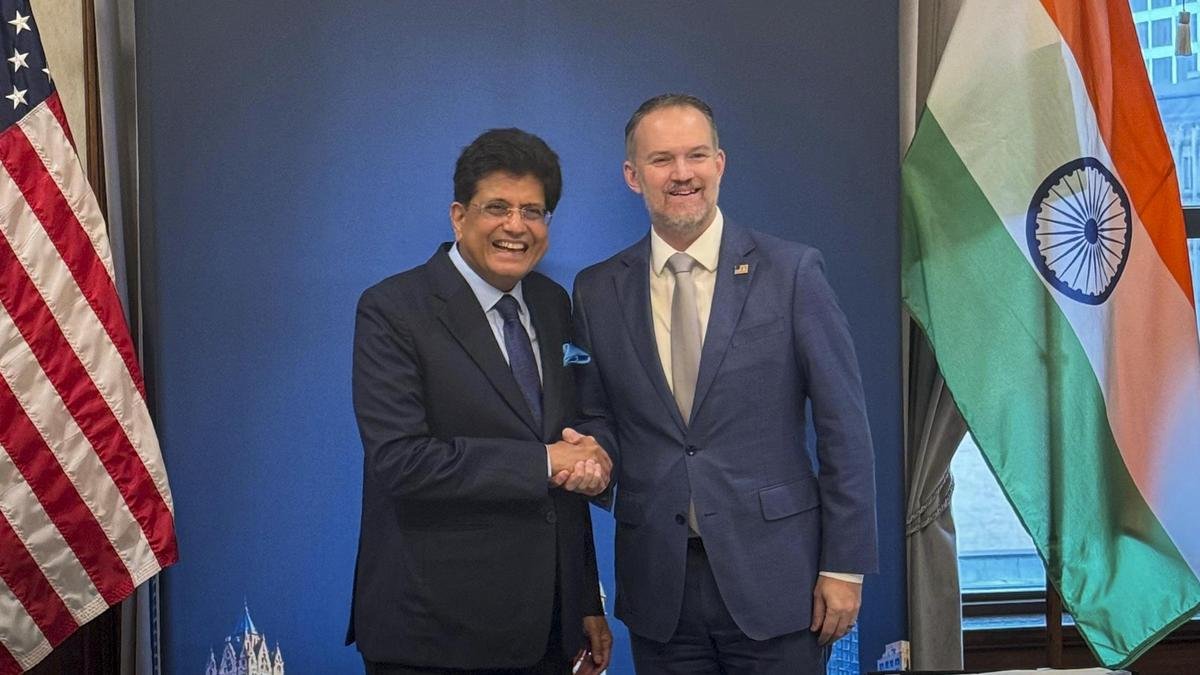
During a recent visit to the United States, India’s Commerce Minister Piyush Goyal engaged in significant discussions with U.S. Trade Representative Katherine Tai and her deputy, Sarah Bianchi. The focal point of the meetings was to explore avenues for enhancing the trade relationship between the two countries and to discuss a potential trade deal aimed at benefiting both economies.
While Minister Goyal did not explicitly mention discussions regarding the proposed 100% tariffs that the U.S. is considering imposing on certain Indian goods, this aspect remained a critical underlying issue in the broader dialogue. Earlier, India’s Commerce Secretary Rajesh Agrawal had indicated that “all trade issues” would be on the table during the visit, suggesting comprehensive negotiations that likely included tariff concerns.
The context of these talks is set against ongoing tensions in U.S.-India trade relations, where tariff impositions and market access have been longstanding issues. The U.S.’s consideration of increased tariffs signals a tough negotiating stance, while India’s delegation aims to present its case for fair and reciprocal trade conditions.
Minister Goyal emphasized the importance of a mutually beneficial partnership, highlighting India’s commitment to reform and openness in trade policies. He noted that strengthening bilateral trade relations would not only spur economic growth but also strengthen strategic ties between the nations.
During the dialogue, areas such as intellectual property rights, digital trade, labor standards, and environmental protections were also discussed, reflecting the comprehensive nature of the potential trade agreement. Both sides showed willingness to find common ground to reduce barriers and promote greater investment flows.
One of the key objectives from India’s perspective is to gain better access to the U.S. market for its goods and services, especially in sectors such as pharmaceuticals, textiles, and technology. Conversely, the U.S. is interested in addressing issues related to India’s import tariffs and regulatory frameworks to create a level playing field for American companies.
Furthermore, the meetings underscored the importance of dialogue and continued engagement to resolve differences and build a framework that supports economic growth and job creation on both sides. Minister Goyal and Trade Representative Greer committed to ongoing discussions and consultations following this initial round.
While no immediate announcements of new agreements or tariff rollbacks were made, the talks are considered a positive step toward revitalizing the trade relationship. Both parties acknowledged the challenges ahead but expressed optimism about the potential of a comprehensive trade deal.
India’s delegation aims to leverage its growing economic influence and market size to negotiate terms that reflect its development priorities, while the U.S. seeks to ensure fair competition and protect its economic interests. The dialogue, therefore, embodies a complex balancing act that requires patience, negotiation skill, and mutual respect.
In conclusion, Minister Piyush Goyal’s meetings with U.S. Trade Representative Greer mark an important development in the ongoing efforts to address trade tensions and pursue a structured trade agreement. The comprehensive discussions covering tariffs and broader trade issues indicate a renewed commitment from both countries to deepen economic ties and work collaboratively toward shared goals.