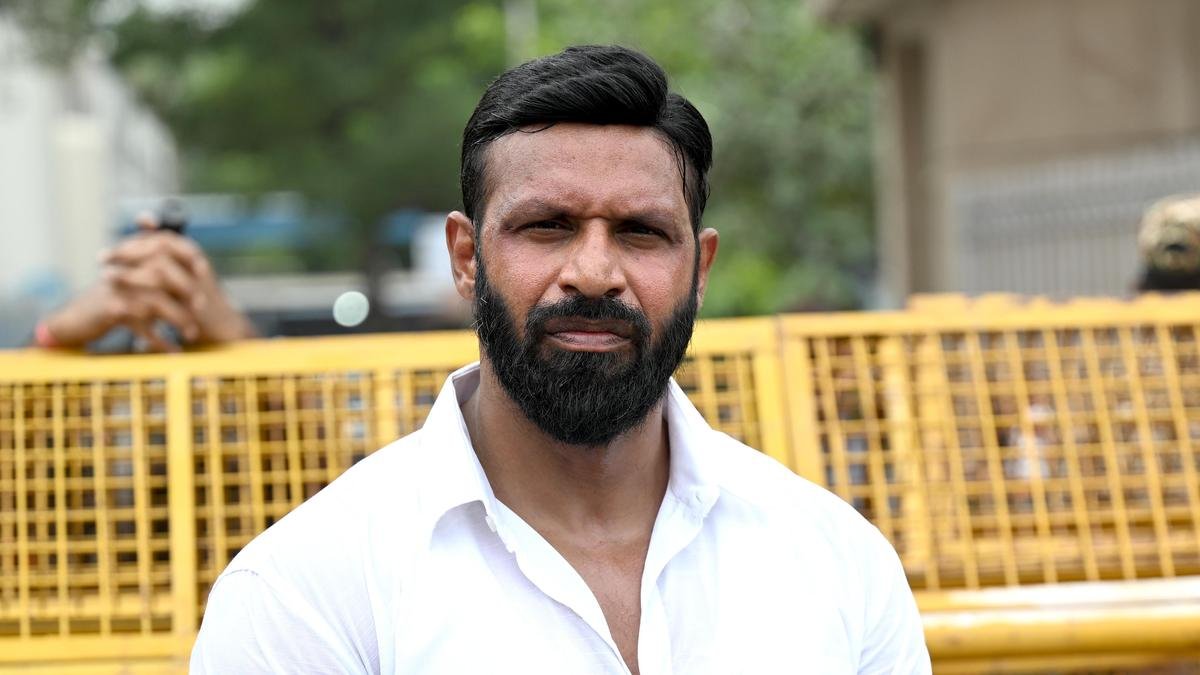
Deepak Kumar rose to national prominence following a viral incident where he stood up against right-wing activists who were allegedly harassing an elderly Muslim shopkeeper. The confrontation, which was widely shared on social media, portrayed Deepak as a defender of communal harmony and justice.
According to reports, the incident took place in a busy market area where the shopkeeper, an elderly Muslim man, was being subjected to intimidation and verbal abuse by a group of right-wing activists. Witnesses stated that these activists were attempting to vandalize the shop and spread messages that fostered communal tension. Deepak, who happened to be nearby, intervened decisively to protect the shopkeeper and prevent further escalation.
The video footage captured by onlookers showed Deepak confronting the group, urging them to stop their aggressive behavior and leave the shopkeeper alone. His calm yet firm stand gained widespread admiration online, with many lauding his courage and commitment to secular values. This incident sparked debates about rising intolerance and the need for citizens to take a stand against hate crimes.
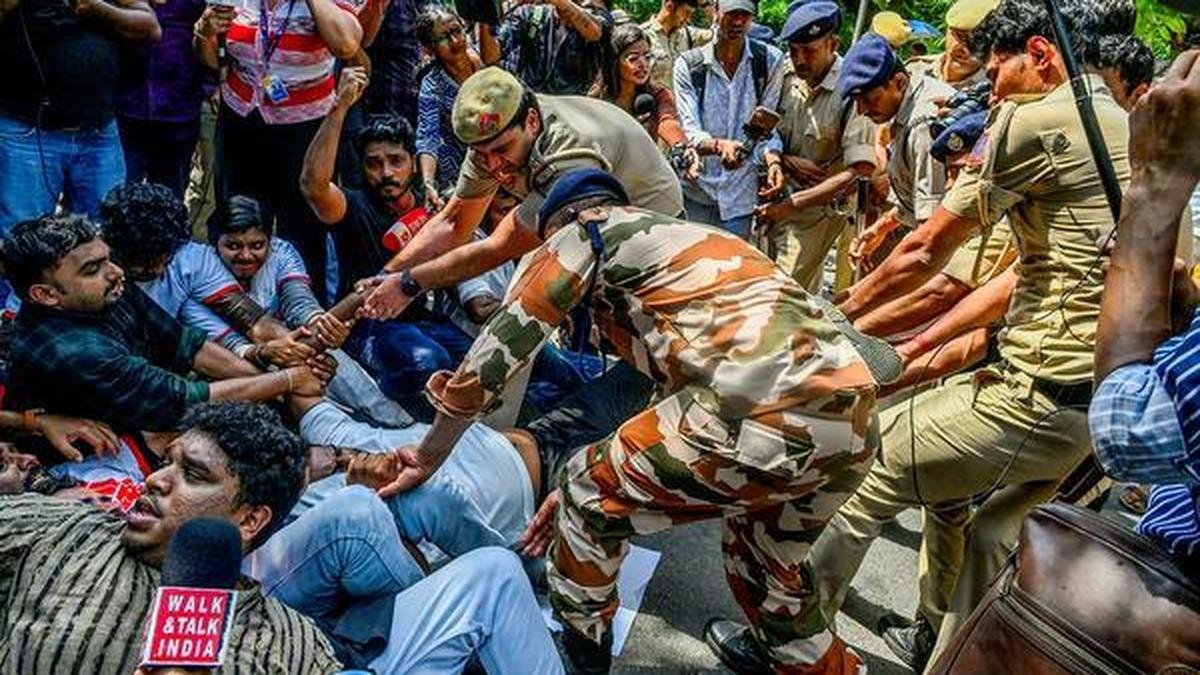
Following the confrontation, Deepak was reportedly arrested on charges related to abuse and assault, a development that stirred significant public outcry. Supporters argued that his arrest was unjust and politically motivated, designed to intimidate those who challenge dominant narratives or defend vulnerable communities.
The case garnered media attention as human rights groups and civil society organizations called for Deepak’s immediate release, emphasizing the importance of protecting individuals who act against communal violence. Legal experts weighed in, highlighting the complexities of the situation where law enforcement actions must be balanced with protecting citizens’ rights to intervene against injustice.
Deepak’s arrest and subsequent bail became a focal point in discussions on freedom of expression and the treatment of whistleblowers in highly polarized environments. Analysts pointed out how cases like this could either deter or encourage community members to become active in combating social wrongs.
Throughout the ordeal, Deepak maintained that his only intention was to defend a vulnerable individual and uphold peace in the community. His supporters organized peaceful demonstrations in his favor and launched petitions demanding justice and accountability from the authorities.
In addition to public backing, Deepak received legal assistance from prominent advocates who argued that his actions were justified under self-defense and citizen protection laws. They underscored that intervening to stop harassment, especially when it targets minorities, is a civic duty and should not be criminalized.
The incident has since prompted calls for stricter measures against hate crimes and better protection for those who stand against communal violence. It has also inspired similar acts of courage in other regions, encouraging people to actively promote social harmony.
Deepak Kumar’s story remains a vivid example of ordinary citizens rising to confront societal challenges and advocating for justice amid adversity. While the legal proceedings continue, his case underscores the ongoing debate in India about the role of individuals in defending secular and inclusive values in the face of growing polarization.
The national spotlight on Deepak Kumar reflects both the promise and the peril faced by those who confront deep-seated divisions, highlighting the need for robust legal protections and societal support for defenders of communal peace.